
NEWS
Coastal land reclamation: A glimpse into today’s urban development strategies
August 25, 2023 10:30 p.m.
Coastal land reclamation is increasing and will continue to grow and be a popular urban strategy in places that experience urban growth.
This is according to a study, “Mapping 21st Century Global Coastal Land Reclamation,” that analyzed landsat satellite images from 2000 to 2020 to quantify spatial extent, scale, and land use of urban coastal reclamation of 135 cities globally with populations exceeding one million. Key findings indicate that 78% of these cities have turned to reclamation to create additional land, resulting in 253,000 hectares of new land, an area equivalent to Luxembourg.
Land reclamation is the process of creating new land from the sea. It’s often used in places with scarcity of land and high population density for many purposes. From Western Europe and West Africa to the Middle East, East Asia, and Southeast Asia, these countries’ cities reclaim lands for port extension, residential/commercial, and industrial purposes aimed at creating tourist and green spaces. Key drivers like global trade and rapid urbanization are already ubiquitous, so for the next step, these cities desire prestigious place-making efforts and enhanced international reputation.
“Coastal land reclamation is a forward-looking approach to urban development,” says Architect Ian Fulgar, the principal architect of Fulgar Architects. It allows cities to preserve valuable ecosystems and resources from urban sprawl by expanding spaces without encroaching on existing natural land. More importantly for architects, urban planners, and modern city dwellers, it presents an opportunity to have purpose-built urban environments specifically designed to meet their needs.
“Architects and urban planners can design sustainable and efficient infrastructure with a blank canvas, incorporating the latest technologies and best practices in urban planning. This approach can lead to more resilient and adaptive cities capable of mitigating the effects of climate change and other environmental challenges,” adds Architect Fulgar.
Cities that lead coastal land reclamation
Singapore, Dubai, and Hong Kong, says Architect Fulgar, are some of the world’s most notable cities with impressive urban reclamation projects. “Not only have they transformed their respective landscapes but also captured global attention,” he says.
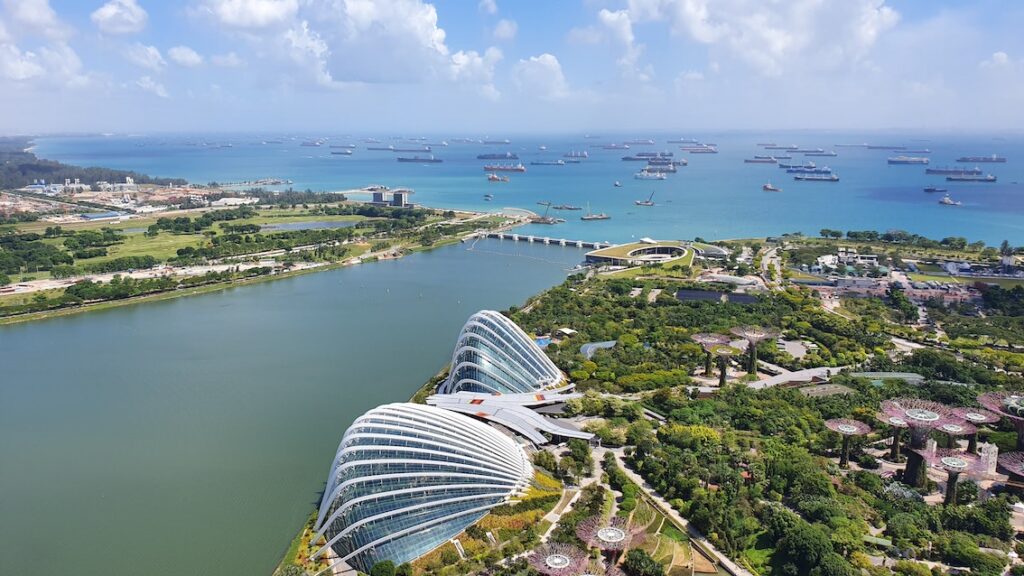
Photo credit to Anastasia Yudin. An aerial shot of Flower Dome in Singapore.
Singapore’s Marina Bay Sands and Gardens by the Bay are testaments to the city-state’s commitment to innovation and sustainability. The former is a luxury integrated resort famed for transforming Singapore’s coastline and city skyline, whereas the latter is a spectacularly unique horticultural destination that combines art, science, and nature. These reclaimed land developments further boost the country’s international reputation and real estate value around the area.
For some parts of the United Arab Emirates, coastal land reclamation has significantly changed its geography. Dubai, which has completely transformed into an ultramodern city, features ambitious projects now known as some of the most recognizable developments in the world like Palm Jumeirah and The World. “They have reshaped the coastline and established the city as a leader in innovative development, significantly elevating Dubai’s real estate value and worldwide interest,” says Architect Fulgar.
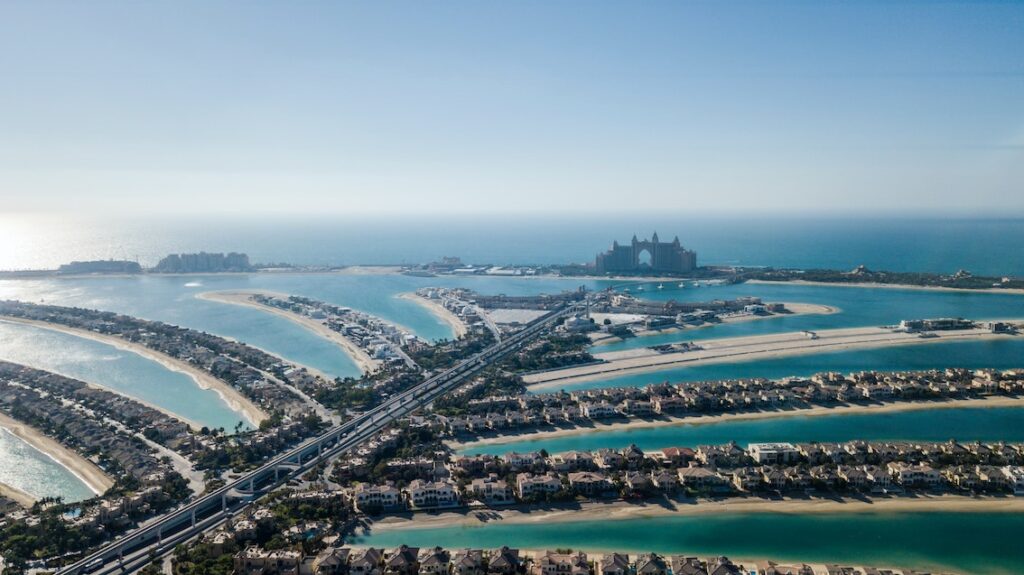
Photo credit to Abid Bin Nazar. An aerial view of Palm Jumeirah.
Palm Jumeirah is an awe-inspiring artificial archipelago shaped like a palm tree when viewed from above. It houses some of Dubai’s luxury hotels, residences, and entertainment venues. Likewise, The World is a groundbreaking project composed of small artificial islands in the shape of a world map.
Lastly, Hong Kong’s commitment to preserved art, culture, and ongoing sustainable urban development is exemplified by its West Kowloon Cultural District. It is a 40-hectare reclaimed site along Victoria Harbour’s waterfront designated as the city’s vibrant cultural quarter where the local arts scene can interact, develop, and collaborate throughout its sustainability principles.
Architect Fulgar, who firmly believes in creating spaces that foster belonging and unity, highlights that Singapore, Dubai, and Hong Kong share common denominators in their successful urban reclamation projects. These are innovative design and planning, focus on sustainability and commitment to cultural and societal development, and the subsequent increase in real estate value.
“These projects have created iconic and visually striking landscapes by pushing the boundaries of engineering and urban design. Sustainability is often at the forefront, integrating practices and technologies that minimize environmental impact and enhance the quality of life for residents and visitors,” says Architect Fulgar on these cities’ commitment to sustainability atop function and aesthetics.
Best practices of coastal land reclamation
Despite recognition of world-class reclamation projects, one of their primary challenges is facing criticism and potential issues over sustainability concerns. Architect Fulgar shares that the solution is through the responsibility of vital stakeholders to adopt a collaborative approach and adaptive strategies in implementing best practices, such as prioritizing sustainability and disaster resilience goals in waterfront developments.
“The future of city development, especially in coastal areas, rests with stakeholders prioritizing sustainability and disaster resilience. By adopting a comprehensive, collaborative, and adaptable strategy, they can transform the design, construction, and management of waterfront development – ultimately creating more sustainable, resilient, and prospering urban environments that benefit both people and the environment,” adds Architect Fulgar.
Moreover, Architect Fulgar puts emphasis on a well-planned project that begins with the developers’ thorough research and analysis of the selected area about potential environmental impacts, disaster risks, and local community needs. Architects and engineers need to incorporate sustainable design principles and green and blue spaces to reduce the development’s environmental footprint.
“Trends and insights on global reclamation illustrate the potential of reclamation projects in addressing various urban development, environmental conservation, and community well-being needs – leading to more sustainable and resilient urban planning worldwide. By adopting these lessons and focusing on sustainable growth, the Philippines can capitalize on its potential and carve a path to a brighter future.”









NEWS
COA named WTO External Auditor, begins six-year term

7:11 p.m. April 6, 2026
The Commission on Audit (COA) has been appointed as the new External Auditor of the World Trade Organization, reflecting its credibility and strong reputation in international auditing and growing influence in advancing good governance around the world.
The Philippines’ audit body, an independent constitutional commission, succeeds France’s supreme audit institution, the Cour des Comptes, and will serve a non-renewable term of six years.
In its role, COA will oversee the audit of the WTO’s financial statements, pension plan, and operations in line with the Organization’s financial regulations.
The audit body was selected by the WTO General Council on the recommendation of its Committee on Budget, Finance and Administration (CBFA). The committee cited how COA’s proven track record in auditing international organizations will help strengthen financial accountability and reinforce trust in the WTO’s governance framework.
“COA’s appointment as the WTO’s new external auditor demonstrates how the world views our capabilities as an independent audit body– reliable, trustworthy, and world-class. We are committed to upholding the highest standards of independence and professionalism in our work with the WTO, continuing our mission to promote transparency and accountability in international institutions,” said COA Chairperson Gamaliel A. Cordoba.
He said the WTO appointment represents a significant milestone for COA, illustrating its expanding influence and growing force in advancing transparency, accountability, and good governance not just in the Philippines, but around the world.
COA earlier served as External Auditor for several major specialized United Nations agencies, including the World Health Organization (WHO), the International Labor Organization (ILO), the United Nations Industrial Development Organization (UNIDO), and the Food and Agriculture Organization (FAO).
In these assignments, COA was commended for its rigorous standards and contribution to strengthening transparency and accountability in global governance. #
NEWS
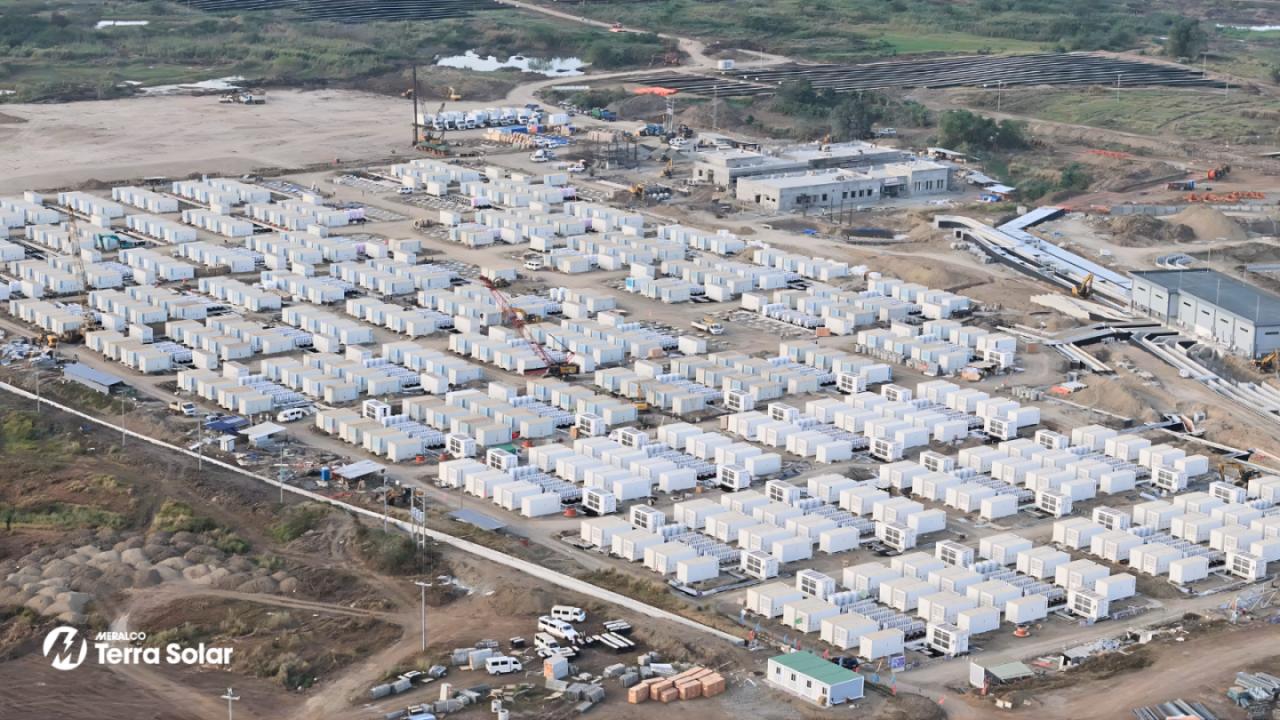
MTerra Solar powers up 250 MW, boosting energy supply amid global volatility
7:45 p.m. April 1, 2026
Meralco PowerGen Corporation (MGEN), through its affiliate Terra Solar Philippines Inc. (MTerra Solar), has successfully energized the first 250-megawatts (MW) of its solar capacity – now operating as a generator and marking the start of its contribution to the country’s growing demand for reliable and clean energy.
This milestone represents a critical step in the project’s phased development and comes at a pivotal time for the Philippines, as global fuel market volatility driven in part by the current situation in the Middle East, continues to highlight the urgency of strengthening domestic and renewable energy sources. The early delivery of capacity from MTerra Solar reinforces efforts to enhance the country’s energy self-sufficiency and reduce exposure to imported fuel risks.
“Reaching this milestone reflects the strong execution, collaboration, and dedication of our teams and partners. More importantly, it underscores the role of projects like MTerra Solar in helping secure the country’s energy future at a time when reliability and
affordability are under increasing pressure,” said MGEN Renewables and MTerra Solar President and CEO Dennis B. Jordan.
MTerra Solar was initially authorized to export up to 85 MW of firm power to the grid as part of testing and commissioning activities. With the continued support from the Department of Energy (DOE) and the National Grid Corporation of the Philippines (NGCP), the facility is now exporting up to 250MW — providing additional capacity to help stabilize supply during a period of heightened system demand.
During a previous MTerra Solar event, DOE Secretary Sharon Garin emphasized the project’s significance in strengthening the country’s renewable energy pipeline and addressing immediate supply challenges.
“The initial grid synchronization of MTerra Solar – led by MGEN and Actis – represents a meaningful step towards our transition to a cleaner and more energy-resilient Philippines. Developments of this scale are critical as we navigate current global uncertainties while ensuring long-term energy security,” Secretary Garin said.
“Beyond its contribution to the renewable energy transition, MTerra Solar plays an important role in supporting the country’s near-term energy requirements. The project’s phased energization enables earlier delivery of capacity to the grid, helping ease supply constraints and supporting efforts to maintain stable electricity prices amid evolving global conditions,” MGEN President and CEO Emmanuel V. Rubio shared.
In addition, MTerra Solar has also energized the first tranche of its battery energy storage system (BESS). Through energy generated from its solar output, the plant has been able to deliver up to 450 MWh of energy to the grid at night. This tranche now represents the largest operational BESS available in the Philippines.
Following these milestones, the facility will still undergo a series of comprehensive activities in the coming weeks to ensure the safe, efficient, and reliable integration of battery storage with the solar facility. Once fully operational, the integrated BESS will enhance grid stability and enable the dispatch of renewable energy beyond daylight hours, strengthening system reliability while maximizing the value of solar power generation.
MTerra Solar underscores MGEN’s commitment to advancing a diverse energy portfolio that addresses the energy trilemma – ensuring that supply remains sustainable, reliable, and affordable. At full capacity, the project is expected to generate up to 3,500 MWp of solar power, supported by a 4,500 MWh battery energy storage system – delivering clean energy to approximately 2.4 million households.
The project will also avoid an estimated 4.3 million tons of carbon emissions annually, equivalent to removing more than 3 million gasoline-powered vehicles from the road. With
Phase 1 on track for completion this year and Phase 2 already under construction, MTerra Solar will continue to scale up its capacity, contributing meaningfully to the Philippines’ renewable energy targets of 35% by 2030 and 50% by 2040.
NEWS
Food delivery rider smashes PH cycling record using bike with P2,500 frame

2:25 a.m. March 30. 2026
TAGAYTAY City— Patrick Gerard Lee put the Philippines on the medals board with his bronze medal in men C5 scratch race of para cycling in the Asian Cycling Confederation Track and Para Track Cycling championships on Sunday at the Tagaytay CT Velodrome.
It was the first medal for the Philippines in the annual championships hosted this year by the PhilCycling and Tagaytay City—and the first continental exposure of the national para cycling team.
As importantly, Lee earned points for qualification to the Los Angeles 2028 Paralympics.
But before Lee turned the crowd inside the Tagaytay CT Velodrome into a frenzy, a Panda Food delivery bike rider—Zedrick Ivan Honorica—set a new Philippine record in men elite sprint using the same bike he uses in plying his trade.
Honorica’s bike? A Brain frame that costs P2,500 and a wheel set worth P12,000 which he raised from delivering food—a bicycle that astronomically pales to the equipment used by the elite countries’ riders, some breaching P7 million.
“I pushed and pushed myself, it’s a very tough race,” said Lee, 21, who lost his right forearm from under the elbow in a meat grinder at his aunt’s stall at Marilao Market when he was five years old.
“I’m really very happy because it’s for our country,” added Lee, who’s set to race again on the last day Wednesday of the championships supported by Tagaytay City Mayor Brent Tolentino and supported by the Philippine Sports Commission, Philippine Olympic Committee, MVP Sports Foundation, Sports Plus PH, Toyota and Peak.
Uzbekistan’s Azimbek Abdullaev won the gold medal and Japan’s Ruito Kameda secured the silver but with a tough challenge from Lee—the result went down to the photo finish.
Another Filipino, Joel Inn Tacutaco, finished fifth in the 14-rider race.
Honorica? He’s not your ordinary elite cyclist—literally, he came out of nowhere.
“I race in ‘bente-bente, nothing more,” said the 21-year-old who broke the national record his fellow Marikeño and many-time tour champion Jan Paul Morales set in the Doha 2006 Asian Games.”
“I wasn’t aware of the national record, but I know Kuya JPM [Morales], him being a champion … he doesn’t know me, though,” he added.
Honorica said he’s an accidental member of the national team in the Asian championships.
“I saw a post on Facebook by national coach Gil [Virgilio Espirutu) on an invitation for a power test [informal tryouts], and I was second best … that was only last January,” he said.
Honorica clocked 10.865 seconds, beating Morales’s 20-year-old record of 11.42 seconds.
The effort landed him in 21st out of 22 riders in the event won by Japan’s Kaiya Ota in 9.348 seconds, also shaving a fraction from his previous best of 9.350.


DigiPlus levels up user engagement with ArenaPlus’ P1B Prediction Giveaway

COA named WTO External Auditor, begins six-year term

What happened in Calvary 2000 years ago